

Regarding the maintenance methods for indoor LED displays, they are mainly divided into front maintenance and rear maintenance. What are the differences between these two maintenance methods?
Front maintenance: The major advantage of front maintenance lies in saving space. For indoor or embedded, wall-mounted installations, space is extremely precious, so there won't be much space left as a maintenance passage. Therefore, front maintenance can significantly reduce the overall thickness of the LED display structure, which can not only blend well with the surrounding building environment but also save space while ensuring the effect. However, this structure has very high requirements for the equipment's heat dissipation function.
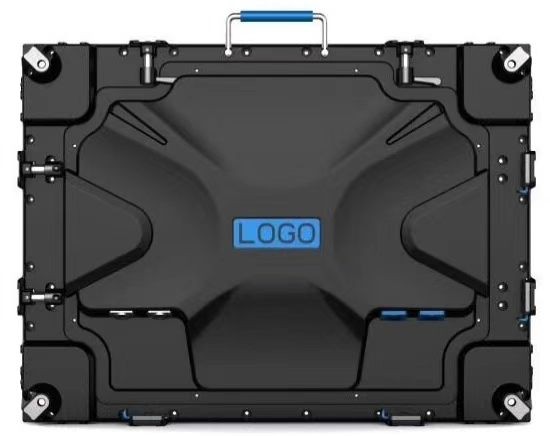 | 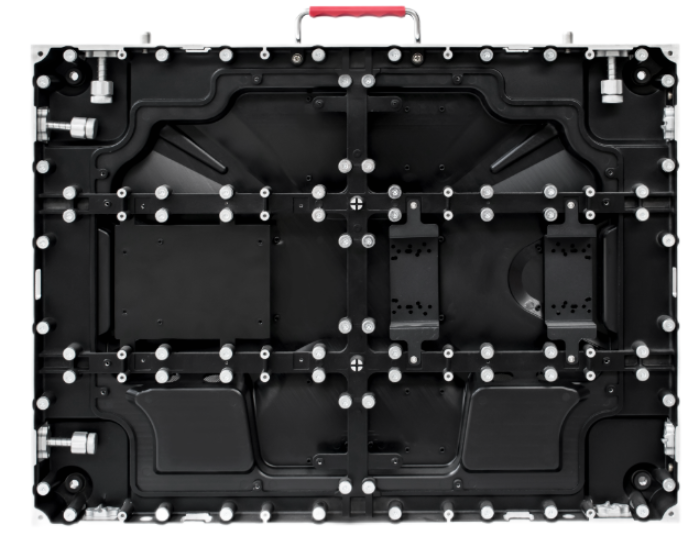 |
Rear maintenance: Rear maintenance is suitable for roof-mounted, vertical-mounted, etc. installation scenarios. The inspection and maintenance are convenient and efficient. For those large LED displays installed vertically, a maintenance passage must be designed, so that maintenance personnel can perform maintenance and inspection from the back of the screen. This is very convenient and efficient for beginners who have no experience in installing the display for the first time. As long as the power cord and network cable are connected and powered on, the display can be turned on and tested. Moreover, the rear maintenance box can be maintained from both front and back, and both can be achieved. Compared with the high labor costs in foreign countries, it can greatly save labor costs.